


La Fille d'Elissa
Les premiers jours de Carthage commencent à l'image d'un conte de fées. Il était une fois une princesse phénicienne, d'une beauté achevée. Elle était la fille du roi de Tyr et s'appelait Elissa. Contrainte à l'exil, au lendemain de l'assassinat de son mari par son frère Pygmalion, héritier du trône, et par suite d'une révolution de palais, Elissa prit la mer avec ses gens et ses trésors. Son navire se dirigea vers l'ouest...
Conçue comme fille de Tyr, Carthage apparaît, dès sa naissance, placée sous le signe de la féminité et de l'ingéniosité.
La princesse établit alors une constitution pour la nouvelle cité, qui fit l'admiration des Anciens. Chateaubriand déclarait encore: "Aprés la mort de Didon, la nouvelle colonie adopta un gouvernement dont Aristote a vanté les lois. Des pouvoirs balancés avec art entre les deux premiers magistrats, les nobles et le peuple, eurent cela de particulier qu'ils subsistèrent pendant sept siècles sans se détruire: à peine furent-ils ébranlés par des séditions populaires et par quelques conspirations des grands".
Azedine Beschaouch, La légende de Carthage
Gallimard, 1993 (p. 13 - 14 - 17/18)
E' qui consultabile uno studio del Prof. Touhami Garnaoui sullo Stato cartaginese,
inerente le principali Istituzioni politiche di Cartagine nel periodo repubblicano:

Cacozelia latens
*Patronage*. "Sidonia Dido" 1.446 is emphatically the person responsible for this temple complex (as, eg, Augustus would be responsible for the Forum Augustum, inter alia). We should thus be alive to the ways in which the monuments represent a form of self-presentation (so Laurel, Ann Kuttner). Anne Duncan, citing Austin, noted that the peplos scene, which apparently alludes to Iliad 6, might provide a specific case in point: Homer says that this garment was the work of Sidonian women; Dido writing her people into the history of the Trojan War. This form of self presentation leads to interesting questions vis a vis Penthesilea, the last figure to appear in the scenes before we turn to Dido herself. Has Dido given prominence to Penthesilea (and for that matter to the African hero Memnon) because she sees herself as an analogue to the Amazon warrior? Here though Anne Duncan perceived a discrepancy between the rhetoric of literary and visual representation: Penthesilea is said to be fighting with one breast exposed (1.492). This is standard visual iconography. In an actual painting or sculpture, seeing her this way would be one of the things that would enable us to identify her as an Amazon. But the literary narrative has already identified her as an Amazon (490) and by name (491), making this detail strictly speaking gratuitous. Does inclusion of the detail represent a sexualized reading of the scene? by Aeneas? by the narrator? by ourselves? This question led to a brief discussion of the iconography of female nudity, specifically of partial undress: is there an iconographic similarity between Penthesilea and, eg, Ariadne? Clearly their states of undress differ in certain ways, but does the fact that their bodies are on display unite them in any way? This line of discussion, contrary to what was said about how art galleries encourage viewers to come up with their own readings of spatial, thematic, and iconographic relationships, and so implicitly ratify plural interpretations "in advance", showed the potential for conflict between the intended message of the patron and the one constructed by the viewer (Dido presumably sees Penthesilea and herself as chaste leaders; someone however appears to see both of them as sex-objects). Representation within the poem of conflicting interpretations might be taken as "accounting for" the different ways in which the Aeneid has been read, eg from the perspective of the victorious patron Augustus or from that of various vanquished others.
from Prof. Joseph Farrell's Course, University of Pennsylvania (1995)
With regard to Joe's thoughts on Books 2 & 3: It's funny that only now, as we're reading about Aeneas & Dido, do some elements of Aeneas' own narrative seem so interesting. For example, the Creusa story: Some see in this a negative moral portrait of Aeneas, but, as Joe puts it, what are we to make of the fact that Aeneas himself tells us about it? Doesn't he at least make the story more realistic - if not exactly apologetic - by neglecting to mention any concern for Creusa at the crucial time? Couldn't he have painted the episode in some other way more flattering to himself?
If
the answer is no, things become even more interesting: It's Vergil who has
control, and who attends to the manipulation of themes throughout (e.g., in this
case, memory & the loss of it). He puts words in Aeneas' mouth that relate to
material from the main narrative. I think this stuff relates to narratology's
division of the *fabula* and the story - Here Vergil makes a character in the
*fabula* participate in the writing of the story.
We the readers (and, arguably, Dido) are able to judge Aeneas both by his words
and his actions (and by comparison of the two). But since I prefer to find
literary, rather than moral, reasons for things in lit., I think of Aeneas *qua*
character as pretty helpless, all in all.
Catherine C. Keane, University of Pennsylvania (1995)
Optimism, pessimism, and now polysemy...
In
the case of a living author, that author can, of course, directly clarify the
meaning of any statement but if that does not happen then we must use the same
techniques of analysis that are involved in dealing with interpretative
ambiguities when it is impossible for authorial intervention to take place.
Perhaps a few examples may help clarify the issue. In the debate that has
unfolded over the past 60 years over the question of optimism, pessimism, and
now polysemy in the *Aeneid* we have learned a great deal more about the
poem and are able to teach it far more accurately than in the past. I am far
from being a professional Virgilian scholar but when I became interested in the
subject I tried to discover how and when the traditional optimistic view began
to be challenge. The earliest presentation of a pessimistic view which I located
was an article by Francesco Sforza, "The Problem of Virgil," *Classical Review*
XLIX (1935) 97-108. This is a passionate attack on Augustus and the imperial
enterprise and obviously arises from Sforza's encounter with the rise of Fascism
and National Socialism in Italy and Germany at the time. Thus political events
contemporary with Sforza's classical researches suggested an avenue of
investigation which has in subsequent decades proved quite fruitful. When an
external event is suggestive of a new or different way to look at a classical
text one would like to see independent confirmation of the validity of that
approach and I think that much recent scholarship has found evidence for an
ambiguous approach to Augustus and the subject of empire in the poem.
[...] It appears to me that interpretative success depends on finding relevant
illumination for our texts and that there is no set boundary to what is
relevant. Then we need to expose the results of our investigation to dialectical
testing. If those results are useful to others they will probably tell us about
it.
Leon Golden, Florida State University (1993)
Classical Greek and Latin Discussion Group
An hidden offence
I think that teaching Virgil only in Latin or only in translation would be useless in the same way. In the first case because it would be too hard to understand and would lose great part of his beauty. Likewise reading Aeneid only in translation, even by the best translator in the world, would be an irreparable loss. Every Latin translation, especially of poetry, is a mystified text, because there are some hidden ideas and concepts sent by the author we can find out only in the Latin text and that should be very important in the refined culture of Augustan age. For example what Horace calls "Callida iunctura", shrewd union, putting 2 words, grammatically separated or that can be interpreted in 2 different ways, one next to the other: "Infandum, regina, iubes renovare dolorem" (Aen. II,3). Infandum refers to dolerem but the reader, and the listener in the case of Dido and Virgil's public, connect it to regina, understanding that her wonderful qualities are indescribable or that is an hidden offence, like horrible, that anticipates the end of book IV.
Stefano
Vitrano (2004)Mantovano mailing list
Another example is given by:
Speluncam Dido dux et Troianus eandem / deveniunt.
(4.165 / 166)
and by:
O sola infandos Troiae miserata labores,
(1.597)
S.C.
La parte più bella...
Ma la parte più bella e artisticamente felice è nella creazione tutta virgiliana della figura di Didone, presentata in un atteggiamento di così spontanea comprensione verso chi soffre che non esiterei a definire cristiano, e che solo un pre-cristiano come Virgilio poteva concepire e rendere con toni di così alta poesia.
L'eroina, che seppe improvvisarsi capo di un popolo fuggiasco e perseguitato, che condusse a buon fine una lotta disperata contro le popolazioni barbare e ostili dell'Africa, assicurando un avvenire di prosperità e di potenza a tante generazioni di Cartaginesi, è pur sempre una donna; e le ostilità, le lotte, le insidie, la perversità umana e l'odio di tanti nemici, non l'hanno abituata ad altrettanta perversità, né all'odio e neppure alla indifferenza, bensì alla comprensione delle sofferenze altrui e alla pietà.
Indimenticabile ed altamente poetico è anche quell'accenno di Enea ai tanti Troiani sparsi, esuli o schiavi, in tante parti del mondo, le cui parole non basterebbero per ringraziare Didone di essersi per prima mostrata così benevola e pietosa verso quei miseri avanzi dell'odio e della guerra.
Adriano Bacchielli, Eneide - commento al Primo Libro
Paravia, 1963-1981 (p. 16)
Dalla Gerusalemme Liberata di Torquato Tasso,
il recepimento della parabola virgiliana:
Rinaldo e Armida interpretano Enea e Didone...
|
Didone (IV, 323-326, Caro): Or come in
preda |
Armida (XVI, 63, 3-8):
Ito se n'è pur, ed ha potuto Alessandro Tiarini: |
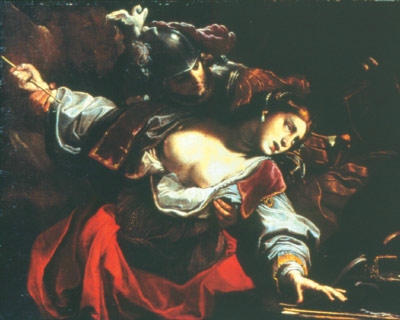
(S.C.)
"Rinaldo non è soltanto l'eroe che agisce nella cornice di un testo epico, ma simboleggia appieno la realtà profonda di ogni individuo, divenuto consapevole degli obblighi connessi allo statuto di essere umano, impegnato ad agire in nome dell'impegno, del rispetto e della responsabilità, per sé e soprattutto per gli altri".
Fabia Zanasi, Rinaldo nel giardino di Armida
Katie Vieceli,
a woman with somethings to say...
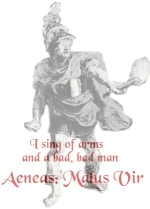
Do you think QDido.org
is an harsh website
about Virgil's Eneas?
Well, you're wrong!
Do you want to know why?
Then click on the Pious Hero:
The story of Dido's tragedy has always been the best known part of the Aeneid. It was a favoured theme in twelfth century French romances; in Chaucer's House of Fame it has twice as much space as the rest of the Aeneid; Marlowe's Dido, Queen of Carthage is among the most familiar dramas on the subject, and the operas of Purcell and Berlioz are well known. It has been said that Dido is the only character created by a Roman poet to pass into world literature.
Robert D. Williams, The Aeneid of Virgil - Books 1-6
New York, 1972 (p. 332)
Elle priait. Elle implorait Tanit et Ba'al Hammon, Elissa et Ba'al Shamin, afin que Rome n'aggravât point les conditions de paix; afin aussi que les récoltes de l'été fussent abondantes, qu'elles remplissent de blé et d'orge les magasins souterrains vidés de leurs derniers grains dans toutes les fermes du pays, tout comme l'étaient dans les villes les jarres destinées à la consommation courante.
La guerre commença donc dans les premiers mois de la cent quarante-cinquième olympiade, ce qui équivalait dans le calendrier punique à l'an 614 depuis la fondation de Carthage par la divine Elissa.
Tandis que Bodastaroth éperdu imaginait le pire et menaçait d'une mort terrible celui qui l'avait enlevée, Thanubra pénétrait sans bruit, sans que personne pût la reconnaître, dans le sanctuaire d'Elissa afin d'y offrir un sacrifice. Prosternée devant la statue de la divine princesse qu'elle vénérait plus qu'aucun autre dieu, elle pleurait son bonheur et sa reconnaissance en l'implorant de protéger Sibboleth et le petit garçon qui lui était né.
De la proue du bateau la belle Thanubra défiait la cité pour la dernière fois. Derrière elle le feu gagnait l'huile du pont, attaquant le plancher et le corps du navire avec un bruit d'enfer. Pour sauver le cothon d'un désastre effroyable, on isola les trois bateaux de Thanubra en remorquant loin d'eux ceux qui les voisinaient. Une vergue tomba, déployant ses flammèches et tous se reculèrent. L'incendie maintenaint illuminait le port et curieux, en émoi, tout Carthage accourait. Le feu sur les côtés grignotait vers la proue où, toujours immobile, attendait Thanubra. La foule se pressait comme en plein jour, gluante, muette et fascinée. Et lorsque Thanubra s'éloigna dans les flammes, un clameur monta jusqu'en haut de Byrsa: Elissa !
Michel Cyprien, La Carthaginoise
Cérès Éditions, Tunis, 1995 (p. 244 - 295 - 300/301 - 373)
Una favola didattica e moraleggiante alla Esopo
Un autore contemporaneo di Virgilio, Pompeo Trogo, originario della Gallia Narbonese e piuttosto critico nei confronti della corruzione riscontrabile nella società romana, si propone di esprimere un apprezzamento equanime verso i valori delle singole civiltà, rispettando soprattutto i vinti: il suo ritratto di Didone si conclude infatti affermando che ella, per i suoi alti meriti, divenne una delle divinità del pantheon cartaginese. Questa versione del mito è a noi nota, grazie all'epitomatore Giustino.
Fiorendo la potenza dì Cartagine, il re dei Massitani, Iarba, mandò a chiamare dieci principi dei Cartaginesi e chiese di sposare Elissa, minacciando in caso di rifiuto la guerra. Gli ambasciatori, temendo di riferire ciò alla regina, usarono l'astuzia propria dei punici, comunicandole che il re chiedeva uno di loro che insegnasse a lui e agli africani un modo di vivere più civile; ma chi tra loro si poteva trovare che fosse disposto a lasciare i suoi connazionali per passare tra barbari viventi come le fiere? Allora, rimproverati dalla regina perchè rifiutavano una vita più dura per la salvezza della patria, alla quale si deve sacrificare anche la vita, se necessario, le rivelarono gli ordini del re, dicendo che ella stessa doveva fare quello che comandava agli altri, se voleva provvedere al bene della città. Presa da questo inganno, la regina dopo aver invocato a lungo tra le lacrime e i lamenti il nome del defunto suo marito Sicharba (=Sicheo), alla fine rispose che sarebbe andata là dove il suo destino e il destino della città la chiamava. Essendosi presi tre mesi di tempo per fare ciò, eresse una pira nella parte più remota della città e come se volesse placare l'anima del marito e offrire a lui sacrifizi prima delle nozze, fece uccidere molte vittime e impugnata la spada montò sulla pira e così, guardando verso il suo popolo, gridò che sarebbe andata al marito come quelli le avevano comandato e così dicendo pose fine con la spada alla sua vita. Finché Cartagine rimase potente, ella fu adorata come una Dea.
(trad. Giuseppe Zermini)
da Didone, regina di Cartagine: storia e mito dell'amante di Enea, di Fabia Zanasi
(Storia in Network, n. 87, gennaio 2004)
Didone nel nuovo Paganesimo mediterraneo
L’Eneide è un poema che richiede
certamente un’analisi esauriente da un punto di vista pagano-politeista e che
non è ancora stata compiuta. Paganitas si ripromette sui prossimi numeri
di svolgere in tal senso almeno un excursus. A differenza dell’Iliade e
dell’Odissea, il poema di Virgilio è anche un’operazione politica volta a
costruire il mito imperiale e fatale di Roma, su ispirazione di Ottaviano
Augusto. L’Eneide è infatti un’Odissea il cui approdo finale è costituito
dalla potenza di Roma mentre l’opera omerica più modestamente si conclude con il
ritorno dell’eroe greco alla dimensione della vita tradizionale nella rustica e
“ristretta” isola di Itaca.
Uno dei “capitoli” del lavoro virgiliano è consacrato alla figura di Didone e
ciò serve a colui che ha venduto il proprio càlamo al potere dominante
[*] per elaborare vieppiù il
mito romano. Per fare ciò Virgilio ha dovuto stravolgere l’originario mito
fenicio della Regina Didone (Elissa) e configurare una vicenda in cui venisse
esaltata la concezione patriarcale e “prussiana”
[**] della vita. L’originaria
vicenda di Didone si riferiva al mito di fondazione della città di Cartagine, di
cui ella è protagonista, incarnando con sacralità e pienezza il potere regale,
ed è una donna coraggiosa giusta ed intelligente. Un principio di potenza ed
energia femminile sta nell’atto fondativo di Cartagine. Virgilio fa irruzione
nello scenario figurativo di quest’ordine simbolico e lo riconfigura frapponendo
due tipi diversi di fondazione: quello di Cartagine con quello di Roma. La
vicenda amorosa fra i due protagonisti, anziché sfociare nell’esito tradizionale
dell’unione complementare di una potente e feconda Diade maschile-femminile,
abortisce nell’ideale politico avulso dalla Natura, che vede in Didone le
tentazioni della lussuria africana e orientale, di quella vanitas
concettualizzata dal francese Dauge (vedi Politica Romana 5 all’articolo di P.
Fenili).
Ma Didone non è come Virgilio l’ha voluta presentare ai suoi lettori! E’ vero
che questa presentazione è sottilmente indiretta, cioè visibile solo
attraverso l’atteggiamento di Enea, - poiché nel poema la regina cartaginese, in
se stessa, appare piacevolmente come una regina potente e generosa - ma non per
questo meno evidente. Didone è tutt’altro che una femmina lussuriosa ma una
donna fedele alla memoria del marito e la regina sapiente che viene indotta alla
passione amorosa da un trucco degli dei (quelli favorevoli ad Enea). Il suo
suicidio sulla pira non può essere dettato dalla passione ma è un atto rituale
di grande dignità - quando è vissuto consapevolmente e non al modo coatto degli
omicidi rituali delle donne indù di una volta.
Il libro di Bono e Tessitore si dilunga sugli sviluppi che le letterature hanno
svolto sulla figura di Didone, spesso in maniera ridicola e farsesca, fino
all’epoca contemporanea, ma ha il pregio di aver focalizzato nella giusta luce
quella che per noi politeisti non matriarcali è una venerata Antica Madre.
Vittorio Fincati, recensione de
Il Mito di Didone, di P. Bono
- M.V. Tessitore
(Bruno Mondadori Ed., Milano)
[*] Omissis.
[**] La rivista Politica Romana stigmatizza più volte la “barbaricità” della spiritualità germanica o comunque nordico-aria ma non si avvede di quanta “prussianità” vi sia in quella della Romanità...
Aurea Dido
Truovasi chi adopera molto in sue storie oro, che stima porga maestà. Non lo lodo. E benché dipignesse quella Didone di Virgilio, a cui era la faretra d'oro, i capelli aurei nodati in oro, e la veste purpurea cinta pur d'oro, i freni al cavallo e ogni cosa d'oro, non però ivi vorrei punto adoperassi oro, però che nei colori imitando i razzi dell'oro sta più ammirazione e lode all'artefice. E ancora veggiamo in una piana tavola alcune superficie ove sia l'oro, quando deono essere oscure risplendere, e quando deono essere chiare parere nere. Dico bene che gli altri fabrili ornamenti giunti alla pittura, qual sono colunne scolpite, base, capitelli e frontispici, non li biasimerò se ben fussero d'oro purissimo e massiccio. Anzi più una ben perfetta storia merita ornamenti di gemme preziosissime.
Leon Battista Alberti (1404-1472)
Della pittura (II, 49)
Virgilio pittore
od il sogno ad occhi aperti di Enea e compagni ("comites [Dardani]", V. 4.664)
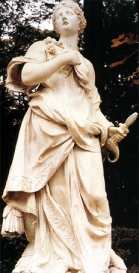 Peindre, c'est non seulement décrire les choses,
mais en représenter les circonstances d'une manière si vive et si sensible que
l'auditeur s'imagine presque les voir. Par exemple, un froid historien qui
raconterait la mort de Didon se contenterait de dire : elle fut si accablée de
douleur, après le départ d'Enée, qu'elle ne put supporter la vie; elle monta au
haut de son palais; elle se mit sur un bûcher et se tua elle-même. En écoutant
ces paroles, vous apprenez le fait, mais vous ne le voyez pas. Écoutez Virgile,
il le mettra devant vos yeux. N'est-il pas vrai que, quand il ramasse toutes les
circonstances de ce désespoir, qu'il vous montre Didon furieuse, avec un visage
où la mort est déjà peinte, qu'il la fait parler à la vue de ce portrait et de
cette épée, votre imagination vous transporte à Carthage? Vous croyez voir la
flotte des Troyens qui fuit le rivage, et la Reine que rien n'est capable de
consoler : vous entrez dans tous les sentiments qu'eurent alors les véritables
spectateurs. Ce n'est plus Virgile que vous écoutez; vous êtes trop attentif aux
dernières paroles de la malheureuse Didon pour penser à-lui. Le poète disparaît;
on ne voit plus que ce qu'il fait voir, on n'entend plus que ceux qu'il fait
parler. Voilà la force de l'imitation et de la peinture. De là vient qu'un
peintre et un poète ont tant de rapport: l'un peint pour les yeux, l'autre pour
les oreilles; l'un et l'autre doivent porter les objets dans l'imagination des
hommes.
Peindre, c'est non seulement décrire les choses,
mais en représenter les circonstances d'une manière si vive et si sensible que
l'auditeur s'imagine presque les voir. Par exemple, un froid historien qui
raconterait la mort de Didon se contenterait de dire : elle fut si accablée de
douleur, après le départ d'Enée, qu'elle ne put supporter la vie; elle monta au
haut de son palais; elle se mit sur un bûcher et se tua elle-même. En écoutant
ces paroles, vous apprenez le fait, mais vous ne le voyez pas. Écoutez Virgile,
il le mettra devant vos yeux. N'est-il pas vrai que, quand il ramasse toutes les
circonstances de ce désespoir, qu'il vous montre Didon furieuse, avec un visage
où la mort est déjà peinte, qu'il la fait parler à la vue de ce portrait et de
cette épée, votre imagination vous transporte à Carthage? Vous croyez voir la
flotte des Troyens qui fuit le rivage, et la Reine que rien n'est capable de
consoler : vous entrez dans tous les sentiments qu'eurent alors les véritables
spectateurs. Ce n'est plus Virgile que vous écoutez; vous êtes trop attentif aux
dernières paroles de la malheureuse Didon pour penser à-lui. Le poète disparaît;
on ne voit plus que ce qu'il fait voir, on n'entend plus que ceux qu'il fait
parler. Voilà la force de l'imitation et de la peinture. De là vient qu'un
peintre et un poète ont tant de rapport: l'un peint pour les yeux, l'autre pour
les oreilles; l'un et l'autre doivent porter les objets dans l'imagination des
hommes.
François de Salignac de la Mothe Fénelon (1651-1715)
Dialogues sur l'Éloquence (II)
L'ellittica astuzia di Elissa
Isoperimetric Geometry
The isoperimetric theorem states that: “Among all shapes with an equal area, the circle will be characterized by the smallest perimeter” which is equivalent to “Among all shapes with equal perimeter, the circle will be characterized by the largest area.” The theorem’s name derives from three Greek words: ‘isos’ meaning ‘same’, ‘peri’ meaning ‘around’ and ‘metron’ meaning ‘measure’. A perimeter (= ‘peri’ + ‘metron’) is the arc length along the boundary of a closed two-dimensional region (= a planar shape). So, the theorem deals with shapes that have equal perimeters.
History of the theorem
The theorem was already known 900 years BC. An application is
found in the story of Dido, as described in Virgil’s Aneid. Dido was a princess
on the run from Tyrus (nowadays Lebanon).
She arrived in North Africa, at a site later known as Carthage (nowadays
Tunisia). She wanted to buy some land from the local ruler, King Jambas. They
agreed that she could buy all the land she could enclose within a bull’s hide.
Consequently, Dido had the bull’s hide cut into small strips and had the strips
stitched together. Let’s try to estimate the length of the ribbon used by the
princess. We assume that the bull’s body is shaped like a cylinder, with a
diameter of 100 cm and a length of 200 cm. Since the width of the strips used by
Dido did not exceed 0.5 cm, we can estimate the length for a fixed width of 0.5
cm. Using our cylinder-shaped bull, we find the ribbon’s length is 1,257 m,
which lies within the range of 1,000 and 2,000 m as reported by Virgil.
Dido put the ribbon on the ground in a way that it would enclose the maximum
area. So Dido had to solve the isoperimetric theorem! According to the story,
Princess Dido solved the problem, and acquired 8 to 32 hectares of land. [A
hectare is 10,000 m2] Let’s do the exercise for a ribbon of length 1,257 m. If
the ribbon is placed on the ground in a circle, it will enclose 12.6 hectares.
If the ribbon is arranged in a square, it encloses 9.9 hectares. As rectangles
with sides 200x428.5 or 100x528.5 m, the corresponding areas are 8.6 and 5.3
hectares, respectively.
However, Princess Dido used one more trick. Virgil relates that Dido connected
the end points of the ribbon to a straight segment of the Mediterranean coast,
so the ribbon formed the shape of a semicircle. In this way, even a larger area
was enclosed, since the sea coast length was added to the ribbon length. For our
ribbon of 1,257 m, this would generate an area of 25.1 hectares, which lies
within the reported range.
Jan Bogaert, University of Antwerp (UIA)
2003 - California Institute of Technology
Based on U.S. Gov't sponsored research (NASA)


Per la pace e la fratellanza nel Mediterraneo,
nel segno di Elissa,
tre millenni dopo.
Monsieur,
A l'initiative de la République Tunisienne, l'Organisation des Nations Unies, dans
sa resolution n°58/5, en date du 3 novembre 2003, a déclare Ie sport et l'éducation
physique, vecteurs de developpement, de paix et de solidarité entre les peuples.
A ce titre, La Route d'Elissa, course féminine a la voile rouvrant la route de
la Reine Didon, fondatrice de Carthage, à des sportives européennes et méditerranéennes,
vient dignement illustrer cette résolution.
En mon nom propre et au nom de l'Organisation des Nations Unies, je tiens à
vous féliciter, Monsieur l'Organisateur, d'une initiative qui illustre la modernité dont les
pays de la course font preuve, et la sagesse avec laquelle ces mêmes pays protègent des
valeurs ancestrales ancrées au plus profond de leur légende, de leur histoire et de leur
passé. Par valeurs, nous entendons authenticité, paix et liberté ainsi que les efforts
inhérents à ces qualités.
Pour toutes ces raisons, pour Ie passé qu'elles portent, pour l'avenir qu'elles
projettent, je suis heureux, Monsieur l'Organisateur, de vous annoncer officiellement
que l'Organisation des Nations Unies est fière d'être votre partenaire officiel pour
La Route d'Elissa.
Veuillez accepter, Monsieur, mes salutations distinguées.
Shashi Tharoor
Secrétaire
général adjoint
à l'information et à la communication
à
M. Najib Gouiaa
Organisateur
La Route d'Elissa
(18 juin 2004)


Care Amiche e cari Amici di QDido.org,
desidero estendere a Voi tutti
l'appello-invito ricevuto da M. Najib Gouiaa,
a nome dell'Organizzazione de "La Route d'Elissa",
l'evento sportivo internazionale sotto egida ONU, inaugurato nel 2004,
che (ri-)propone una regata tutta al femminile sulle tipiche
rotte della
Sidonia Didone.
La dolorosa attualità di quest'anno,
che ripropone - a distanza di 3.000 anni -
i patriarcali conflitti tra Fenici, Mesopotamici, ed Ebrei,
impedisce alla manifestazione di sbarcare a Tiro.
E' così che l'Organizzazione ha fatto della necessità una virtù,
elevando ancor più i toni dell'evento:
la regata approderà festosamente in cinque importanti porti del
Mediterraneo,
congiungendoli a Cartagine.
Il porto ausonio sarà Partenope, con felicissima scelta.
Coloro che fossero interessati a partecipare all'evento,
possono contattarmi in privato, grazie.
Oppure contattare direttamente l'Organizzazione.
Il sito che presenta l'evento è questo:
www.laroutedelissa.com
(molto bella, e da non perdere, la clip introduttiva
con il volto regale di Elissa che sorge dal mare).
Riporto qui la lettera ricevuta il 25 luglio scorso
da M. Najib Gouiaa.
Con i miei più franchi saluti,
Salvatore Conte
Egregio Signore / Egregia Signora,
Vi ringraziamo in anticipo del vostro interesse nella lettura attenta
di questa lettera di alta importanza e di urgenza per noi.
Stiamo preparando la regata "La Route d'Elissa",
di cui dettagli troverete nei documenti in allegato:
e la lettera rivolta al sindaco di Napoli.
Per quanto vi riguardo, saremo onorati della vostra partecipazione
ed il vostro aiuto per dare a questa corsa di Pace un ottimo impatto mediatico,
e di accettare di assicurare la vostra presenza
nell'accoglienza del nostro equippaggio al porto di Napoli.
Abbiamo bisogno di tutte le buone volontà per massimizzare l'impatto
di questa traversata di pace e di speranza tra i popoli del
Mediterraneo.
In questo ambito, e poiché condividiamo insieme l'impegno,
il coinvolgimento in Elissa e nel Libano,
"Didone Liberata" e più che mai un
simbolo
rispecchiando lo spirito della "Route d'Elissa",
in cui le navigatrici porteranno un messaggio di Pace ai 5 porti
di Mare Nostrum.
Per più dettagli, visitate il nostro sito: www.laroutedelissa.com
Nell'attesa di una risposta favorevole e pronta,
vi ringrazio del vostro interesse,
sapendo che abbiamo bisogno di tutte le buone volontà
per portare "La Route d'Elissa" a termine e con successo,
liberando di nuovo Elissa dall'oscurantismo e la follia umana,
grazie alle figlie di Elissa,
che porteranno ai porti del Mediterraneo insieme al Mondo
la fiaccola di Pace, di Scambi e di Speranza.
Distinti Saluti
Najib Gouiaa
La Route d'Elissa
(Liberata)
for a space for women in the
Mediterranean,
a space for peace, cultural exchange and solidarity
3rd Edition (2007)
ARRIVO A ROMA IL 27 LUGLIO
A Race, a Queen, a Legend
La Route d'Elissa is the first and only women's sailing
race in the Mediterranean.
Created in 2004, La Route d'Elissa is inspired by the legendary odyssey of
Elissa, princess of Tyre. Commonly known as Queen Dido, she founded the
city of Carthage nearly 3000 years ago.
Elissa, who might be considered as the first navigator, took sail to
escape from tyranny and war. After a seven-year-long exile as the head of
a floating kingdom, she laid anchor on the North African shore where, by
virtue of her ability and intelligence, she conquered the territory on
which she established her new city, Carthage. The city would then become
the heart of the Mediterranean.
Women sailing for Peace and Solidarity in the Mediterranean
La Route d'Elissa is a modern commemoration of Elissa's
legend through a challenging sports event, allowing women from different
horizons to demonstrate the power of their genius and talent. It is also
an event, juxtaposing legend with modernity, aimed at promoting peace and
solidarity throughout the Mediterranean Sea, a space for cultural exchange
forging links between those peoples bordering it since its earliest days.
Based on the notion of peace and solidarity, the United Nations became the
main partner of this sailing race in 2004, turning sports into a vehicle
for peace and development.
La Route d'Elissa has come to represent a meeting place for sailing in the
Mediterranean, women, peace, coexistence, and solidarity between peoples.
At each edition of the race, it aims at linking different shores and ports
in the Mediterranean through race routes that are always renewed whether
it being from east to west or north to south.
Mediatic Success for a Beautiful Story
From its first edition is 2004, La Route d'Elissa has
attracted media interest due to its uniqueness and authenticity. The race,
an original sports competition and an event filled with strong values, is
well embedded in history, yet definitely contemporary. It demonstrates the
courage and genius of women both on earth and on sea and reminds us that
the sea is a space for peace, freedom, cultural exchange, and solidarity.
This story, which echoes one of the most beautiful legends of the past,
was covered by nearly ten television channels, over fourteen radio
stations, and nearly fifty newspapers. The media had closely followed and
covered the news from the odyssey of ‘Elissa's daughters' who, after ten
days of sailing, headed towards the Eastern Mediterranean, bridging Tyre
with Carthage. The competition was fierce and undecided until the very
last minutes.
In 2006, the second edition of la Route d'Elissa was supposed to bring
Elissa back home. Unfortunately, 3000 years later, war and devastation
have once again prevented this symbolic return to the motherland. La Route
d'Elissa thus turned into Routes pour la Paix. Leaving out competition,
the sailors turned into the ambassadors of both Carthage and Elissa,
carrying her message for peace and solidarity to the four corners of the
Mediterranean. They departed from Carthage and headed to the ports of
Spain, France, Monaco, Italy, and Greece. Again, media interest was
significant as nearly 30 television channels, 15 radio stations, and 120
newspaper articles covered and greeted the event.
The organizers of La Route d'Elissa pursue their ambition to prolong this
sailing event for women, peace, and the Mediterranean given the great
interest expressed by the media, the sailors, and their partners.
Elissa: the Conquest of Aeneas or the Triumph of Love over War
A third edition will be launched in 2007. It will link up
Carthage to Rome, like a hand reaching out between these former rival
cities, a bridge between the Northern and Southern Mediterranean. The
third edition will also commemorate the way in which Dido and Aeneas meet
again and celebrate the triumph of love over war.
The crew of La Route d'Elissa will leave Carthage with sailors from
Portugal, France, Monaco, Corsica, Italy, Greece, Lebanon, Tunisia,
Morocco…This participation of women sailors from the Southern and Eastern
Mediterranean is valuable as it shows that the sea is a space for
exchange, emancipation, and freedom, where genius has no sex, nor
nationality.
For Women, Through the Sea…
In order to give shape to its values, La Route d'Elissa is
involved in activities that promote a return to the sea and a
reappropriation of this common Mediterranean space. La Route d'Elissa aims
at encouraging and enhancing the participation of women of the Southern
Mediterranean in high-level sports where courage, solidarity, and
intelligence, along with the power of nature, are fundamental virtues.
Travel, freedom, and the opportunity to meet people from different
cultures all serve as the basis for dream and self-fulfillment.
Thus, La Route d'Elissa seeks to encourage a transfer of
competencies throughout training stages for those southern sailors wishing
to participate in La Route d'Elissa. These stages are developed throughout
the race and benefit from the notoriety and mediatic visibility of the
event. A preparation stage was organized in 2004, allowing six young
Tunisian and Lebanese sailors to fully participate in the first edition of
La Route d'Elissa (the young Tunisian skipper ranked 2nd). La Route
d'Elissa also supports the promotion of the sailing practice among youth.
In 2006, an initiative was therefore developed in partnership with la
Fédération de Voile Tunisienne in order to initiate 30 young girls to this
sport and equip the sailing clubs with resources in an attempt to develop
this practice.
For its 2007 edition, La Route d'Elissa confirms its commitment to develop
the technical capacities of southern sailors in order to enhance their
professionalism and allow them to access international competition. In the
weeks preceding the launch of the race, a stage is offered by trainers
from L'École Nationale de Voile Française as well as professional sailors
participating in La Route d'Elissa. This will provide Tunisian, Lebanese,
and Moroccan sailors with the opportunity to fully participate in the
competition in a spirit of cooperation and exchange of competencies.
Vendredi 08 Juin 2007
Najib Gouiaa
Ecco perché ti amo fortemente.
Tu sei una tempesta, un arcobaleno di sentimenti che non ha limiti né limiti di colori
e che quando trova uno scoglio su cui abbattersi o un cielo così ampio da accoglierlo,
dà vita ad un'aurora che permane, e diventa indelebile.
Ecco che la giustizia, l'uguaglianza, l'umiltà, l'amore, la consapevolezza e l'eloquenza
si fondono in te, in un essere umano così semplice.
Emma a Carneade
(25 marzo 2008)
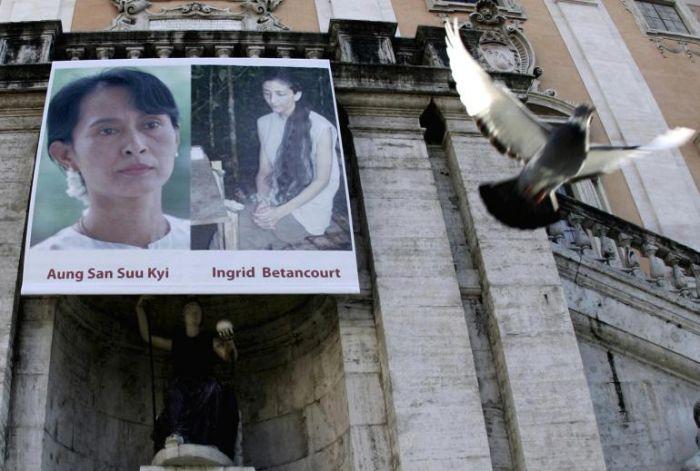
All the Mayors of the World should have to show maxi images
of Aung San Suu Kyi and Ingrid Betancourt
but just one could do it on the Capitol, where Minerva does seat.
Thank you, Mayor of Rome.
For a real Roman, every woman in danger is a Roman woman.
(anche quando non tutto è quello che sembra)
Quaecumque mulier in periculo est,
viro vere Romano Romana est.
Salvatore Conte
Il dido sulla piaga
Stefano Danedi (c. 1640):
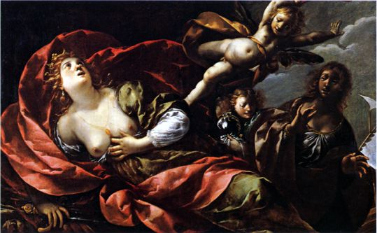
Avete mai conosciuto qualcuno che si metta il dito sulla piaga da solo?
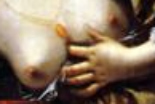
Ebbene, non conoscevate Didone…
Oppure non conoscevate colui che guarda Didone…
Ma passiamo a Caravaggio e a San Tommaso…
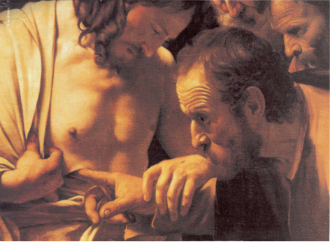
Tommaso vuole sapere se è vero ciò che vede, vuole toccare con mano, e mette il dito sulla piaga…
Ma Didone non crede forse a sé stessa…?
Oppure è chi guarda Didone che non crede alla sua ferita?
La risposta, come sempre, è già scritta, anzi è dipinta:
- a Tommaso pare incredibile che Cristo sia risorto;
- a Enea pare incredibile che l’agognato suicidio di Didone sia cosa fatta...
E le conseguenze della prova sono note:
- Tommaso divenne Santo;
- Enea fuggì terrorizzato da Cartagine e divenne l'eroe di colui che seppellì
l'Impero nella Selva fatale di Teutoburgo: "Varo, rendimi le mie legioni... (e
l'Impero...)!".
Ma non vogliamo aggiungere altro: sarebbe infatti come mettere Dido sulla piaga.
Salvatore
Conte(2010)
Quer pasticciaccio insoluto de via Merulana
“Il giallo non ha soluzione e non si chiude con la scoperta
del colpevole” (Wikipedia, gennaio 2012).
L’ossessivo ritornello, condiviso da tutta la critica, secondo cui nel
capolavoro di Carlo Emilio Gadda, “Quer pasticciaccio brutto de via Merulana”,
manchi il colpevole, ci ha convinto di non poterci esimere da una pubblica
dichiarazione sull’argomento.
In effetti, il soggetto “giallo” è solo un pretesto. In realtà, il romanzo è una
tragicommedia sul relativismo umano, secondo cui la percezione dei fatti è più
decisiva dei fatti medesimi, in sé stessi considerati, ammesso che esistano in
sé stessi, in quanto fatti.
Dunque il fatto, il fattaccio, è il risultato della pasticciata combinazione di
spinte individuali e collettive, una sommatoria arbitraria di forze variamente
intrecciate fra loro che determinano fatti relativi.
Ecco perché non può esserci un singolo colpevole, ovvero il tradizionale
colpevole della giallistica moderna, che esprime null’altro che la comoda
tentazione dell’oligarchia borghese di attribuire le responsabilità collettive a
singole deviazioni umane.
Da un punto di vista narratologico, il romanzo “giallo” di Gadda è privo di
verità oggettiva (ammesso che questa esista in natura), cioè racconta non un
fatto ma un pasticciaccio, ovvero una realtà prefigurata, una realtà
probabilistica, una realtà passata e futura ma non presente.
Tuttavia, proprio come in un giallo classico, è il bravo Commissario Ingravallo
a risolvere il caso, perché egli - affascinato dalla vittima, Liliana Balducci -
non rivela al lettore alcun colpevole.
Soltanto Ingravallo - infatti - ha un reale interesse a non trovare alcun
colpevole possibile.
Perché il fatto, anzi il fattaccio - almeno in via Merulana - non sussiste.
Opera dunque autenticamente pagana, svolta nei luoghi e con l’onomastica
dell’epica virgiliana.
Salvatore
Conte(2012)
L'altra metà della storia
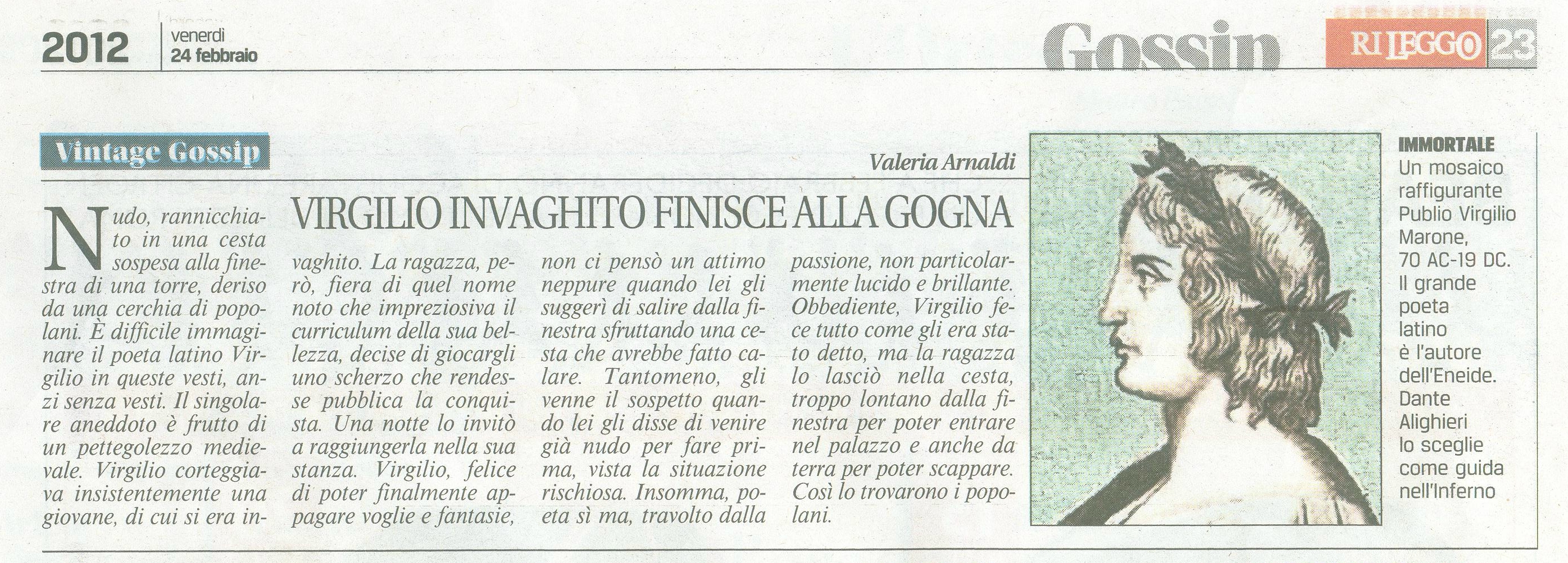

 Nel primo
e più comune racconto in cui Virgilio figura come innamorato, egli è posto in
relazione con una giovane figlia di un imperatore di Roma, spesso chiamata
Monica. La viva fiamma che gli arde in petto non solo non è corrisposta, ma
incontra grandissima crudeltà nell’oggetto amato, che non resiste alla
tentazione di farsi beffe del grande uomo. Fingendo di accettare la sua
dichiarazione e di piegarsi ai suoi voti, la giovane gli propose di introdurlo
nascostamente nelle proprie stanze, facendolo tirar su di notte dentro una cesta
fino alla finestra della torre da essa abitata. Tutto gioia, Virgilio accettò; e
all’ora designata corse a mettersi nella cesta che trovò pronta appuntino, e con
sua grande soddisfazione non tardò a sentirsi sollevare in aria. E fino
ad un certo punto la cosa andava bene; ma giunta la cesta a mezza strada lì si
fermò e vi rimase fino a giorno. Grandi furono le risa e il chiasso che fece la
mattina appresso il popolo romano, a cui Virgilio era notissimo, quando vide un
sì grave personaggio in quella pensile situazione.
Nel primo
e più comune racconto in cui Virgilio figura come innamorato, egli è posto in
relazione con una giovane figlia di un imperatore di Roma, spesso chiamata
Monica. La viva fiamma che gli arde in petto non solo non è corrisposta, ma
incontra grandissima crudeltà nell’oggetto amato, che non resiste alla
tentazione di farsi beffe del grande uomo. Fingendo di accettare la sua
dichiarazione e di piegarsi ai suoi voti, la giovane gli propose di introdurlo
nascostamente nelle proprie stanze, facendolo tirar su di notte dentro una cesta
fino alla finestra della torre da essa abitata. Tutto gioia, Virgilio accettò; e
all’ora designata corse a mettersi nella cesta che trovò pronta appuntino, e con
sua grande soddisfazione non tardò a sentirsi sollevare in aria. E fino
ad un certo punto la cosa andava bene; ma giunta la cesta a mezza strada lì si
fermò e vi rimase fino a giorno. Grandi furono le risa e il chiasso che fece la
mattina appresso il popolo romano, a cui Virgilio era notissimo, quando vide un
sì grave personaggio in quella pensile situazione.
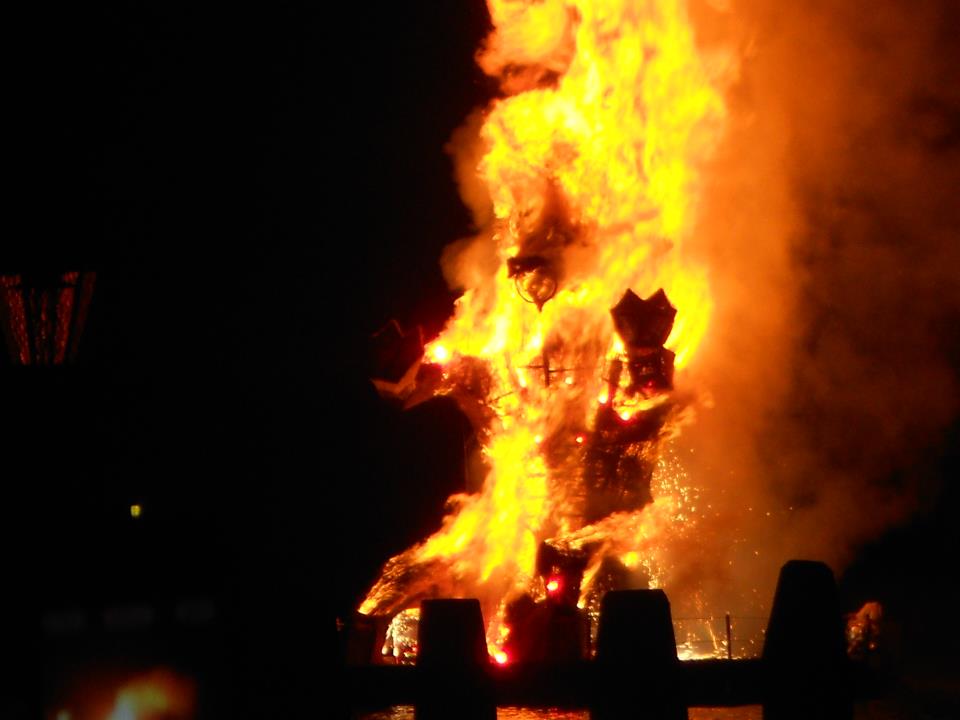 Né
qui finiva la cosa: ché, informato di tutto l’imperatore, Virgilio messo a terra
di grave pena era minacciato, se coll’arte sua non avesse saputo sottrarvisi. Ma lo smacco rimaneva, e l’oltraggio non era perdonabile.
La
vendetta ch’egli immaginò fu terribile. Ei fece che il fuoco tutto quanto era in
Roma si spegnesse a un tratto, notificando che, chi ne volesse, soltanto sulla
persona della figlia dell’imperatore avrebbe potuto procurarsene, e che il fuoco
così ottenuto non si potrebbe comunicare dall’uno all’altro, ma ognuno dovesse
prenderne direttamente nel modo indicato. Fu d'uopo piegarsi ai voleri del mago.
La figlia dell’imperatore posta sulla pubblica piazza nella più indescrivibile
posizione, dovette soggiacere a quel lungo supplizio: i Romani riebbero il fuoco
e Virgilio fu vendicato [
leggi tutto
--- pdf ].
Né
qui finiva la cosa: ché, informato di tutto l’imperatore, Virgilio messo a terra
di grave pena era minacciato, se coll’arte sua non avesse saputo sottrarvisi. Ma lo smacco rimaneva, e l’oltraggio non era perdonabile.
La
vendetta ch’egli immaginò fu terribile. Ei fece che il fuoco tutto quanto era in
Roma si spegnesse a un tratto, notificando che, chi ne volesse, soltanto sulla
persona della figlia dell’imperatore avrebbe potuto procurarsene, e che il fuoco
così ottenuto non si potrebbe comunicare dall’uno all’altro, ma ognuno dovesse
prenderne direttamente nel modo indicato. Fu d'uopo piegarsi ai voleri del mago.
La figlia dell’imperatore posta sulla pubblica piazza nella più indescrivibile
posizione, dovette soggiacere a quel lungo supplizio: i Romani riebbero il fuoco
e Virgilio fu vendicato [
leggi tutto
--- pdf ].
Redazionale
(2012)
Grandi recepimenti crescono
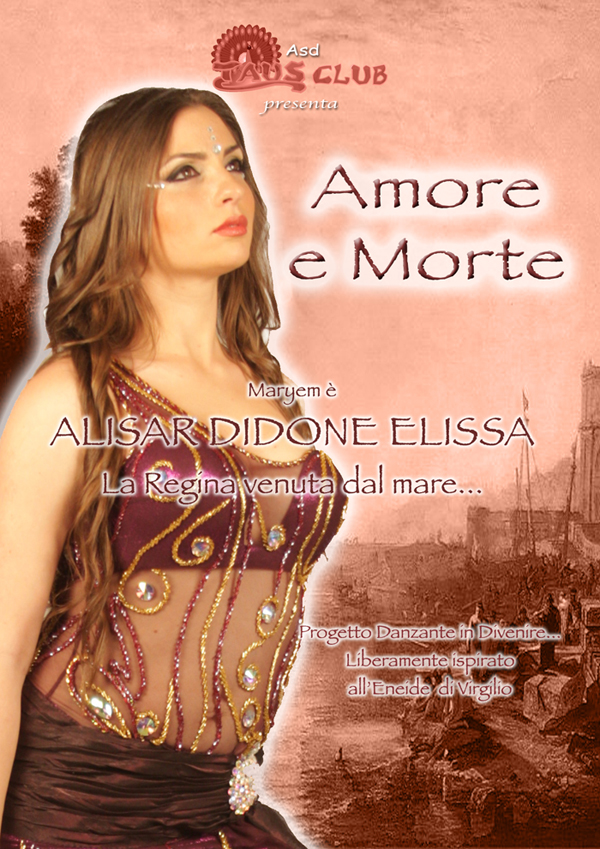
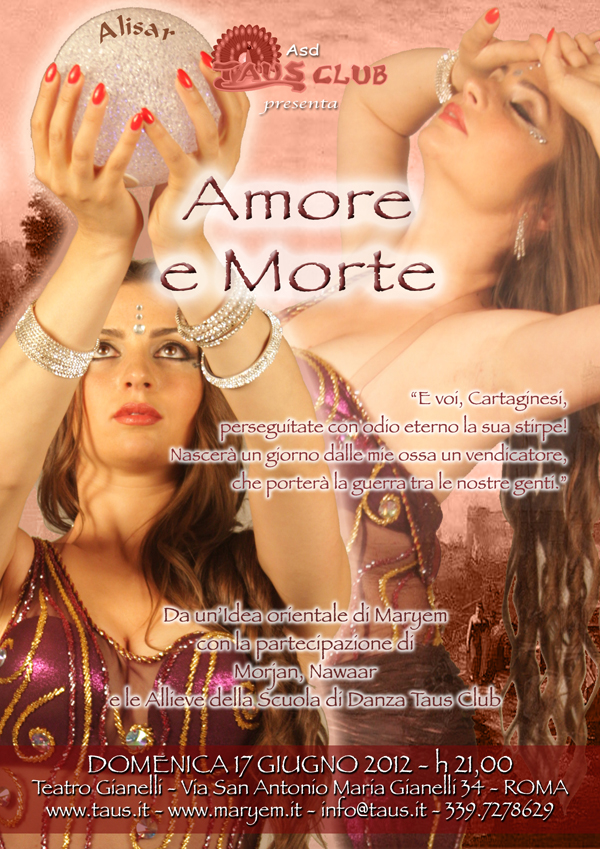
La recensione di Salvatore Conte
La recensione sul sito di Maryem Paglia
(con tutte le splendide foto di scena)
Anita mia, ma quanto ci metti?
Anita mia, ma quanto ci metti a morire?
Enea un giorno fondò Roma, Garibaldi un giorno fondò l’Italia.
Entrambi avevano fretta, perché un Fato li chiamava.
Chi strangolò Anita Garibaldi?
Chi aveva fretta che lei morisse?
Chi aveva interesse che lei morisse?
Chi aveva paura che potesse rivelare qualcosa agli Austriaci?
Chi diffuse la notizia che erano state le zanzare a ucciderla, e non le mani di un uomo?
Perché l’inchiesta fu insabbiata? O, per meglio dire, impaludata?
Entrambi avevano fretta. Un Fato li chiamava. Roma e l’Italia chiamavano.
Creusa, Didone e Anita andavano troppo piano.
Salvatore
Conte(2013)
Il Segno
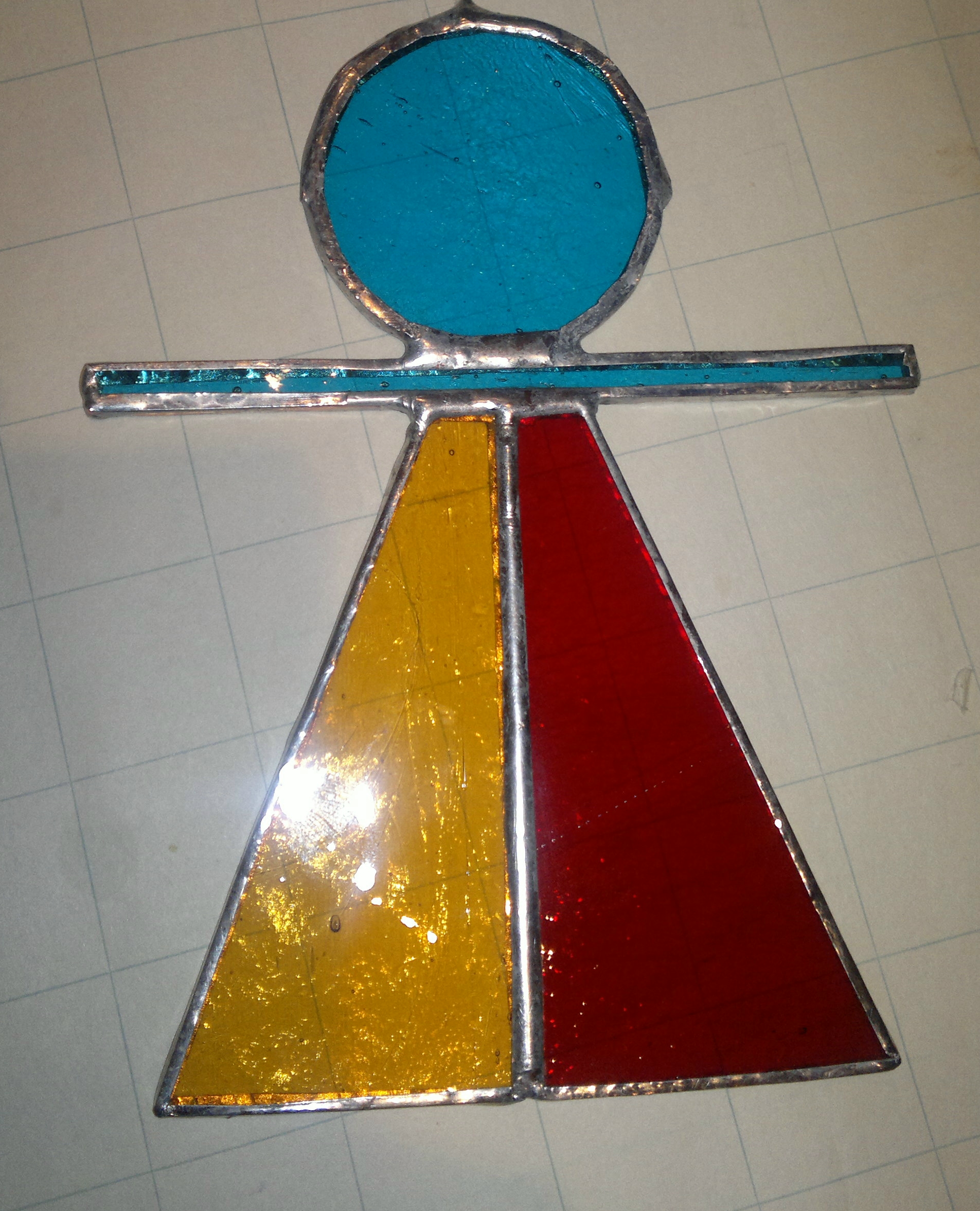 Il
Segno di Tanit,
Il
Segno di Tanit,
dopo secoli, è di nuovo in vetro (artistico),
con telaio in stagno, alla maniera fenicia!
Tutto lavorato a mano (di donna).
Ricerca storico-filologica e progetto di Salvatore Conte.
Realizzazione di Maria Sandra Mariotti.
Il Segno può essere commissionato direttamente all'artista.
(QDido.org non persegue scopi di lucro, ma di promozione culturale)
(Tutti i diritti sono riservati a Tanit-Elissa-Didone)
Sogno di una notte di mezzo inverno
(gennaio 2015, lunedì 26 / martedì 27)
Nessun fattore specifico a monte. Nessun cambiamento negli orari, nel letto, nell'alimentazione, o suggestione particolare o evento particolare.
Il sogno si innesta in un quadro di completa routine, ed è accolto, infatti, con sorpresa, perché assolutamente insolito, più unico che raro, nella sua grande intensità e nitidezza.
Due le scene, nettamente distinte:
- lo smarrimento di Elissa, con sensazione di sconforto e angoscia.
Devo andare a prenderla, ma non la trovo da nessuna parte. Io sono in auto. Giro e rigiro per complicati svincoli autostradali (tipo GRA), senza trovarne traccia, con angoscia crescente. La visione è dall'alto, come da un elicottero o da un uccello, molto precisa e realistica, con tali svincoli ben delineati (forma classica, a quadrifoglio).
- scena di sentimento opposto: lieta e appagante. Vivissima, tanto da sembrare vera e desiderare che non finisca mai. Io sto insieme ad Anna, perfettamente identificata, gioco, scherzo, lei sorride e ricambia, è sui 40/45, bellissima, indossa la camicetta a quadretti della nota foto, ma è qualche anno più giovane. I seni sono bianchi e sodi, questa è un'immagine specifica e molto nitida, che mi trasmette un po' di stupore, visto che Anna ha il seno un po' cadente.
Io non mi vedo. Dunque la visione è in soggettiva.
Ci rincorriamo, ma è solo un gioco, subito torna il sorriso e la mia sensazione di trionfo.
L'ambiente è all'aperto, vago, generico, non è un interno di sicuro, ma non si vedono nemmeno palazzi. Intorno, in sostanza, non c'è niente di definito.
Io e lei non facciamo niente di concreto. Sorrisi, vaghezze, ammiccamenti, una sensazione di felice leggerezza pervade tutto.